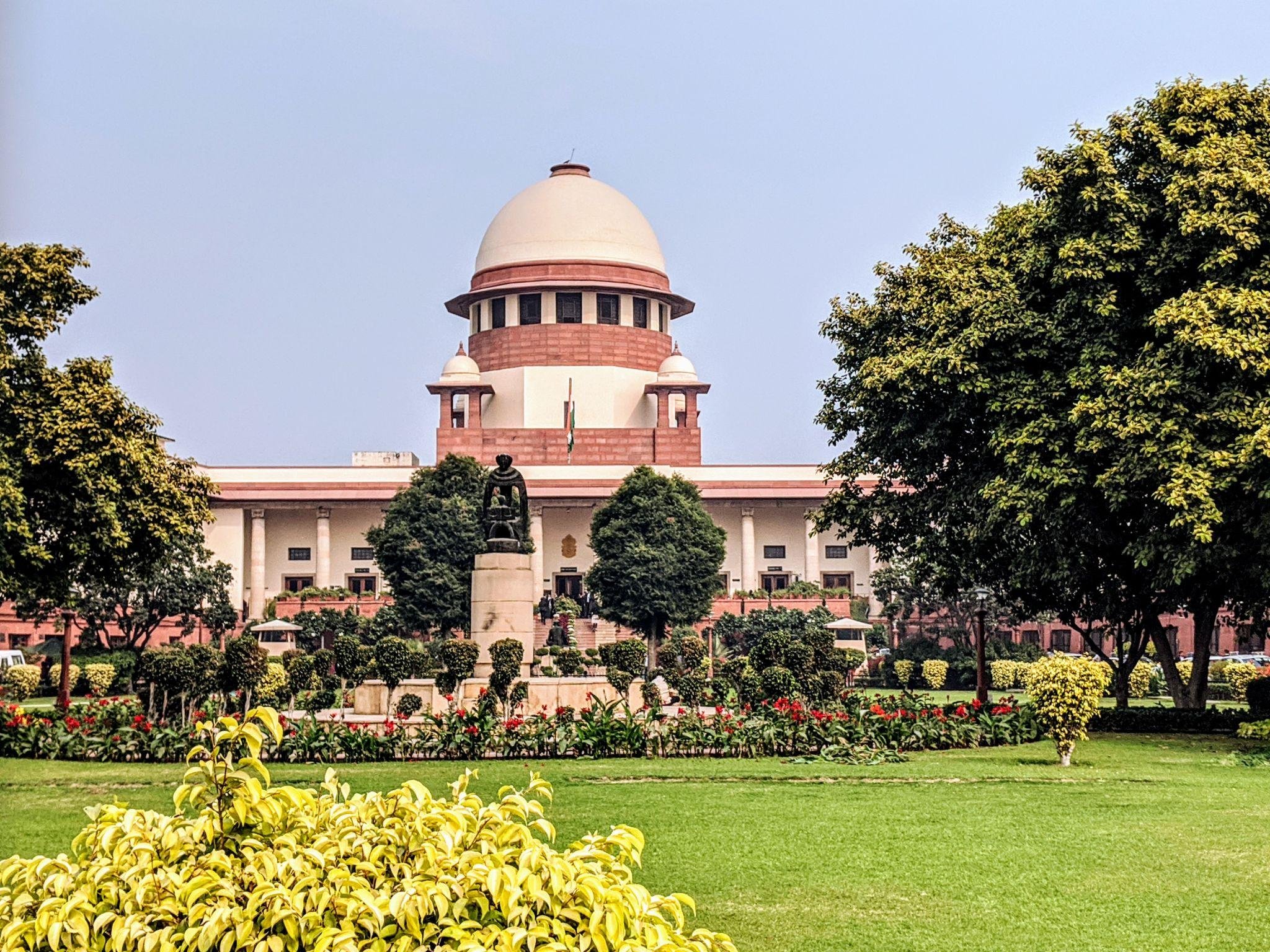
In 2017, a single constitutional question reached India’s highest court:
Is privacy a fundamental right? 🤔
The answer from the Supreme Court changed how India views personal freedom, data, and digital surveillance.
Here’s the story of the Puttaswamy Privacy Case 🧵
The case began when retired judge Justice K.S. Puttaswamy challenged the government’s Aadhaar biometric identity system.
Concern:
Could collecting citizens’ fingerprints, iris scans, and personal data threaten individual privacy? 🔐
The government initially argued something surprising:
The Indian Constitution does not explicitly guarantee a fundamental right to privacy.
Meaning the state could collect personal data if required for governance.
This triggered a massive constitutional debate ⚖️
To settle the issue, the Supreme Court formed a rare 9-judge constitutional bench.
This is the highest form of constitutional review in India.
Their job: decide whether privacy exists within the Constitution itself.
The verdict (2017):
Unanimous decision --> 9-0.
The Court ruled:
✅ Privacy is a fundamental right
✅ It comes under Article 21 (Right to Life and Personal Liberty)
This became a landmark judgment in Indian constitutional law.
Why this ruling matters today:
It affects major areas of modern life:
🔹 Data protection laws
🔹 Government surveillance limits
🔹 Digital platforms handling personal data
🔹 Biometric identity systems like Aadhaar
In short: your personal data is tied to your constitutional rights.
Disclaimer:
This thread is shared purely for educational and informational purposes.
The summary is based on publicly available information about the Puttaswamy v. Union of India (2017) judgment and is not intended to misrepresent any individual, institution, or legal authority.