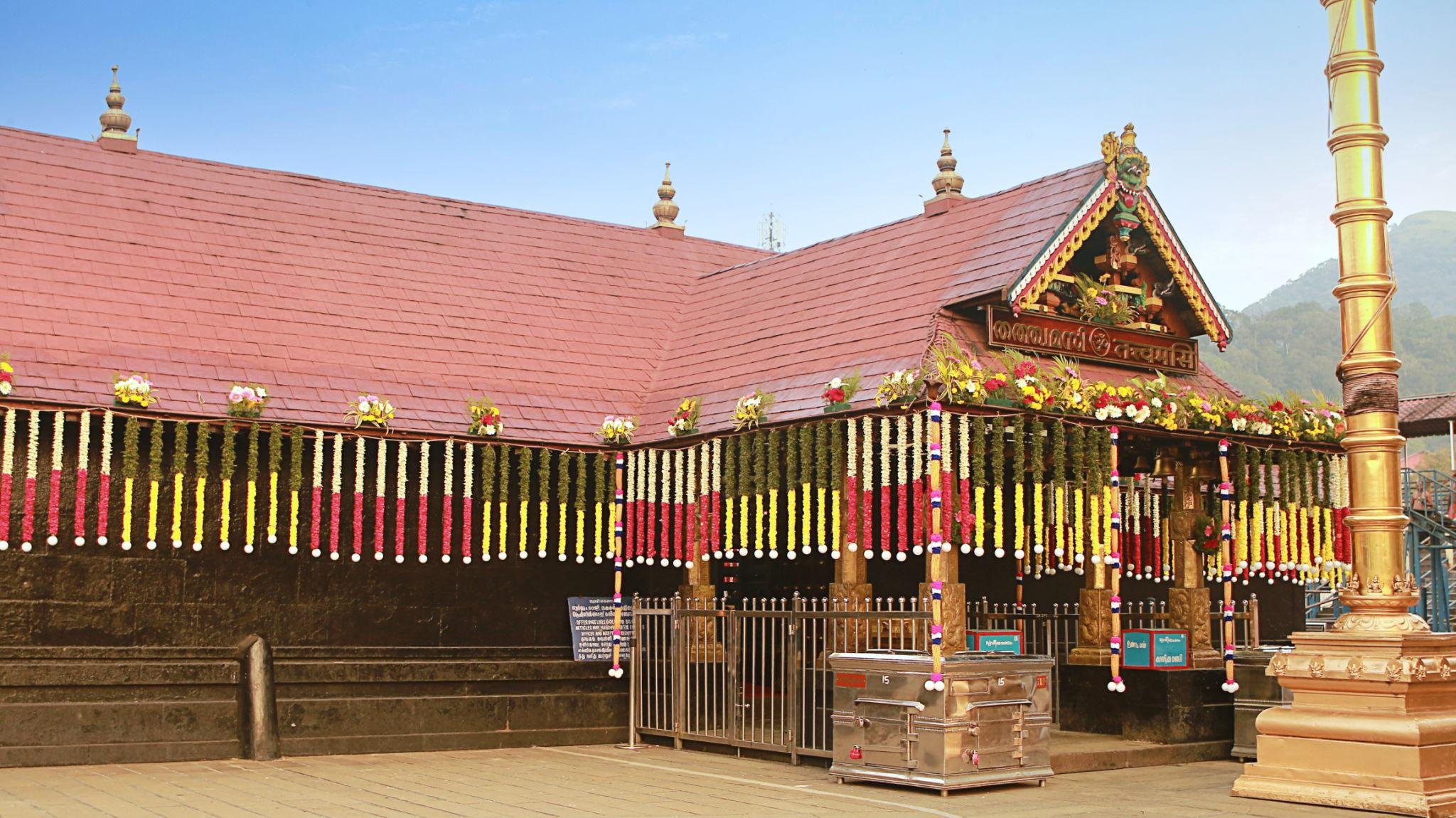
For decades, women aged 10–50 were not allowed to enter the Sabarimala Temple.
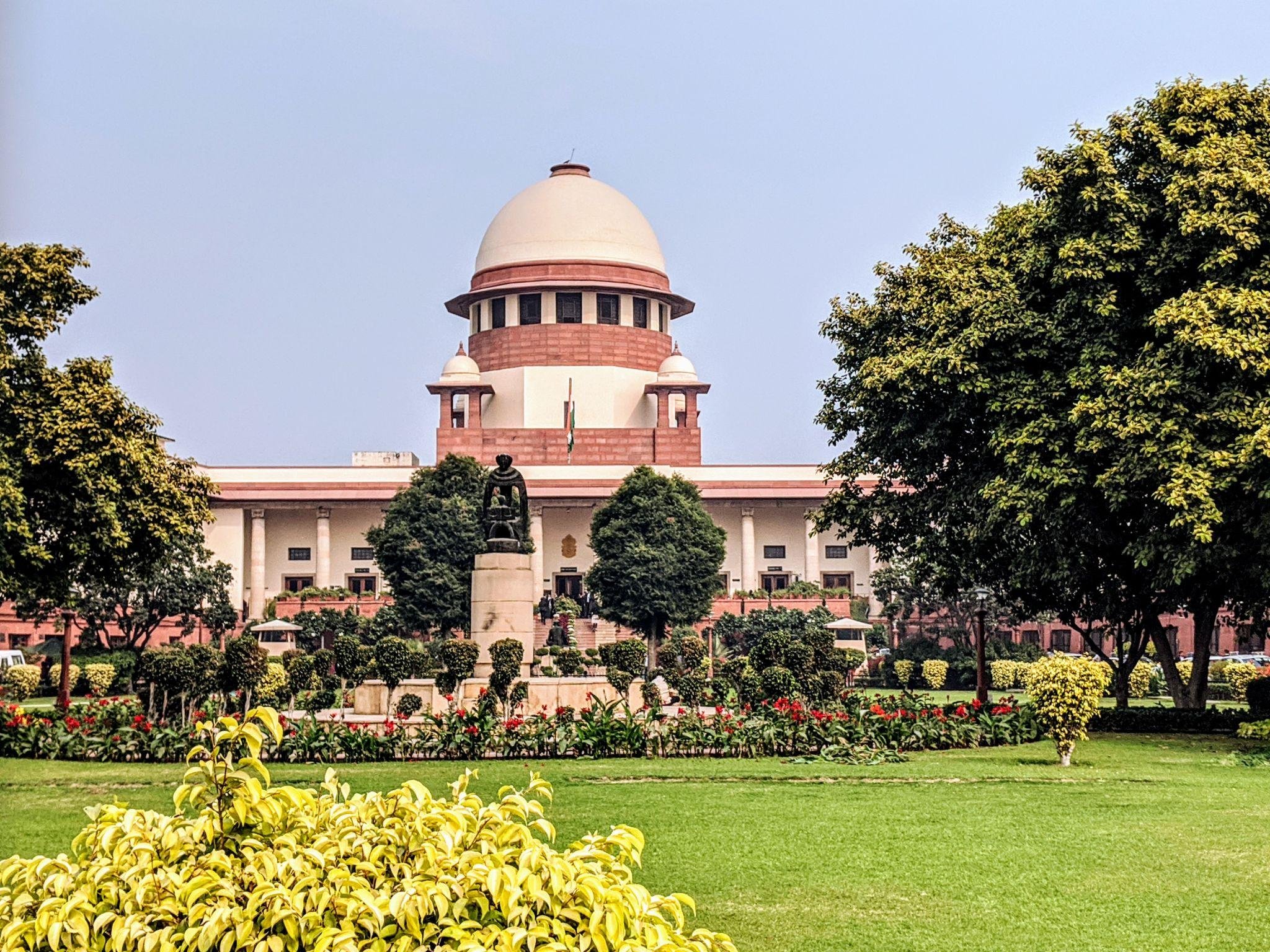
In 2018, the Supreme Court of India delivered a historic ruling.
Was it faith vs equality?
Here’s the legal story 🧵👇
📜 The Core Issue
The deity Lord Ayyappa is believed to be a Naishtika Brahmachari (eternal celibate).
Because of this belief, women between 10–50 years were traditionally not allowed to enter the temple.
The constitutional question:
🤔 Does banning women violate equality under the Constitution?
📚 Case Name
Indian Young Lawyers Association v. State of Kerala
Judgment: 28 September 2018
The Supreme Court ruled 4–1 that the ban was unconstitutional.
Key constitutional principles:
📜 Article 14 — Equality before law
⚖️ Article 15 — No discrimination based on sex
🛕 Article 25 — Freedom of religion
The Court said religious customs cannot violate fundamental rights.
🔥 The verdict triggered mass protests in Kerala.
Two opposing groups emerged:
Group 1 – Tradition supporters
🛕 Courts should not interfere in religious customs.
Group 2 – Equality supporters
⚖️ Gender discrimination cannot be justified by religion.
The issue quickly became a national debate.
📍 Example 1
In January 2019, Bindu Ammini and Kanakadurga became the first women of that age group to enter Sabarimala after the verdict.
📍 Example 2
Large protests erupted across Kerala:
🚧 Roads blocked
🏛️ Political parties involved
📺 Nationwide debate on religion vs constitutional rights
⚖️ Current Legal Status
In 2019, the Supreme Court referred the issue to a larger bench to examine broader questions about religious freedom vs equality.
Meaning:
✔ The 2018 judgment technically stands
✔ But the constitutional questions are still under review
The real legal conflict isn’t just faith vs feminism.
It’s group rights vs individual rights.
⚠️ Disclaimer
This thread is based on publicly available court records and news reports.
It is shared purely for educational and informational purposes and does not intend to hurt or target any individual or religious belief.
#SupremeCourt
#IndianLaw
#ConstitutionOfIndia
#FundamentalRights
#LegalCases