Most advocates spend years improving their drafting, research, and advocacy skills. However, many underestimate one skill that directly impacts every matter they handle: case management.
A strong legal argument can be weakened by poor preparation. A well-drafted petition can lose its impact if important documents are missing. Even experienced advocates face difficulties when hearing dates, client communications, and case records are not organized properly.
What is Case Management?
Case management is the systematic process of organizing all aspects of a case, including:
- Case documents and evidence
- Hearing dates and deadlines
- Client communications
- Opponent filings
- Research notes
- Draft pleadings and applications
- Court orders and judgments
Good case management ensures that critical information is available when it is needed most.
Common Problems Faced by Advocates
Many legal professionals encounter challenges such as:
- Missing important hearing dates
- Searching through multiple WhatsApp chats for client information
- Difficulty locating old case documents
- Losing track of pending tasks
- Last-minute preparation before hearings
- Delayed client updates
These issues can create unnecessary stress and affect professional efficiency.
The Cost of Poor Case Management
Poor case management does not always result in losing a case immediately. Instead, it creates a series of small mistakes that accumulate over time.
A missed deadline, an overlooked document, or an incomplete brief can significantly affect litigation strategy. In many cases, administrative mistakes cause more damage than legal weaknesses.
Habits of Highly Organized Advocates
Successful advocates often follow simple but effective practices:
- Maintain a complete digital case file.
- Record every hearing date immediately.
- Keep client communications documented.
- Create checklists for important stages of litigation.
- Review upcoming hearings in advance.
- Organize documents chronologically.
- Track pending tasks and deadlines.
Technology and the Future of Legal Practice
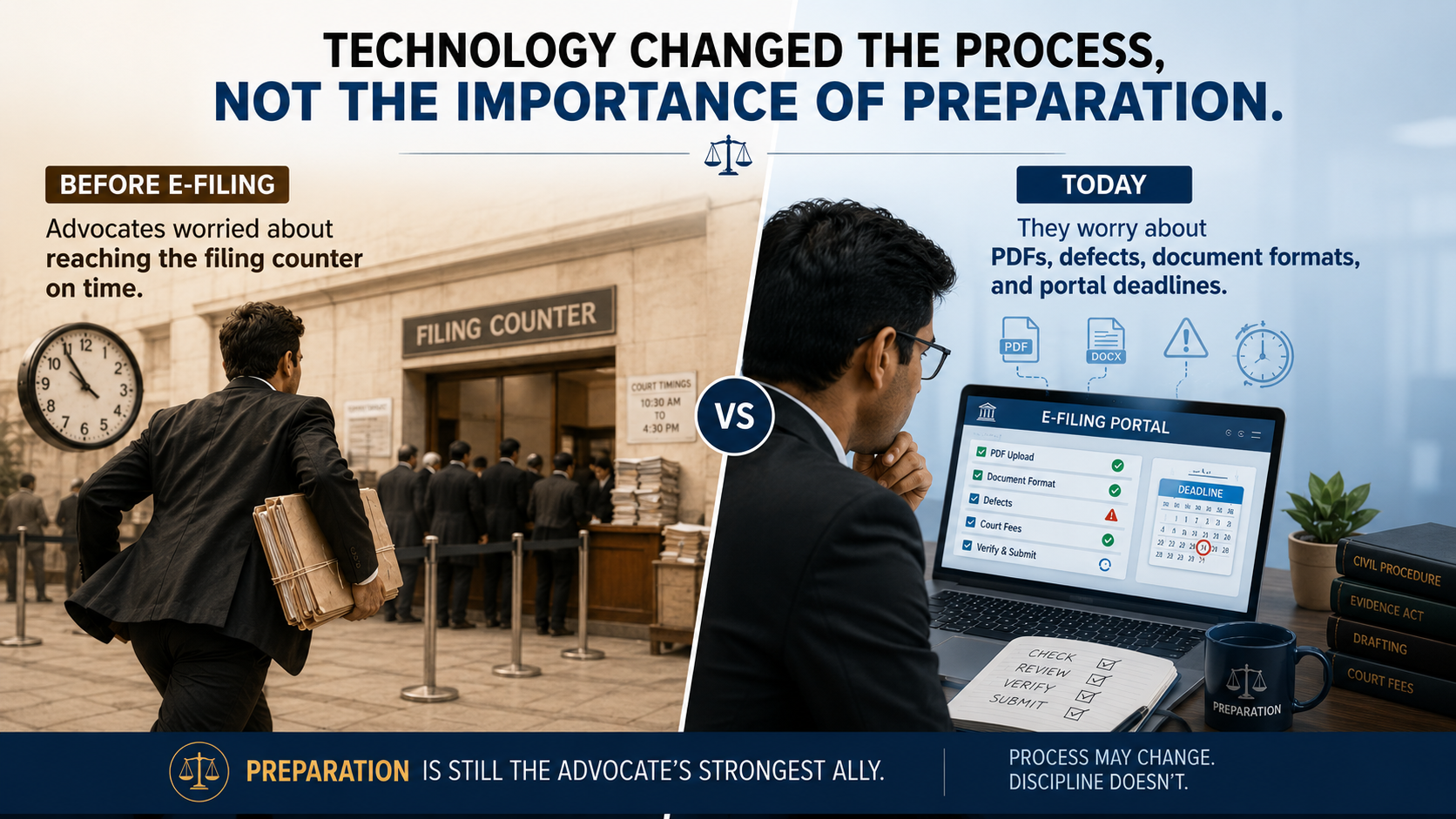
As litigation becomes more document-intensive, technology is playing a larger role in legal practice. Digital case management systems help advocates stay organized, reduce administrative errors, and focus more on legal strategy.
The goal is not to replace legal skills but to support them.
Final Thoughts
Winning a case is not only about presenting strong arguments in court. Success often depends on preparation, organization, and attention to detail long before the matter is called.
Good advocacy wins arguments.
Good case management wins opportunities to make those arguments effectively.
What is the biggest case management challenge you face in your practice?